
My contribution this time is a little bit of a random ramble due to health and other issues but, hopefully, this will provide something of interest to you all.
MAPS AND ADVERTS
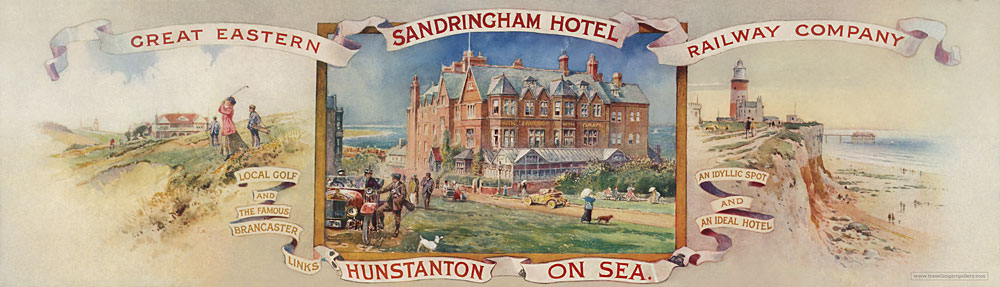
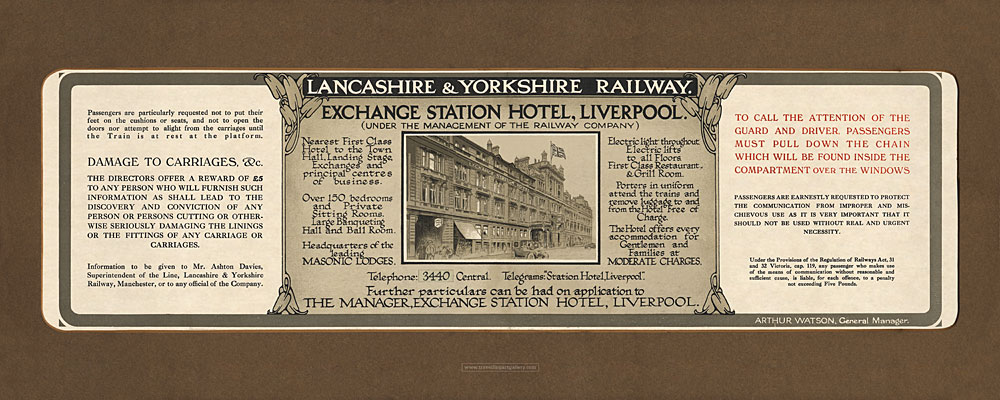
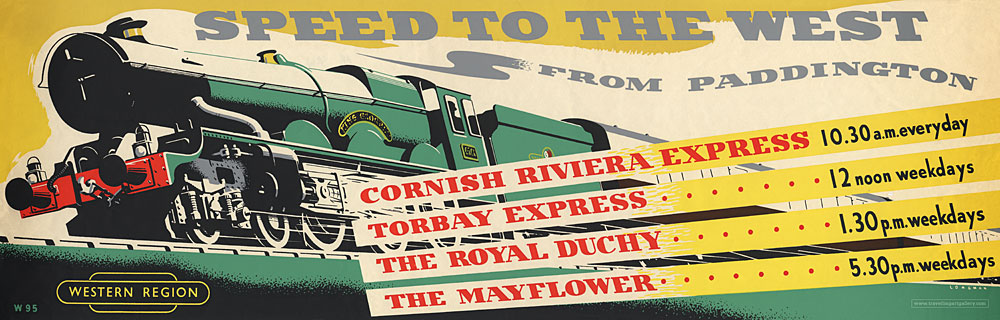
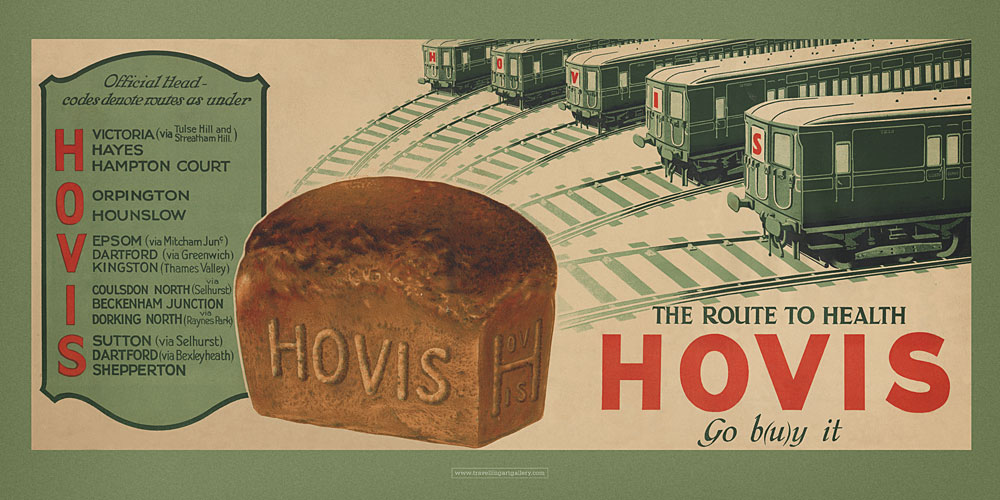
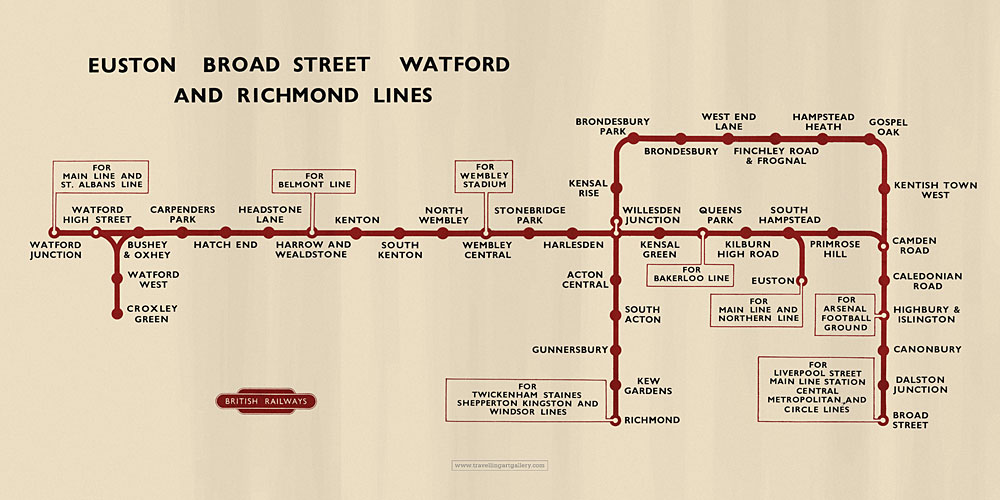
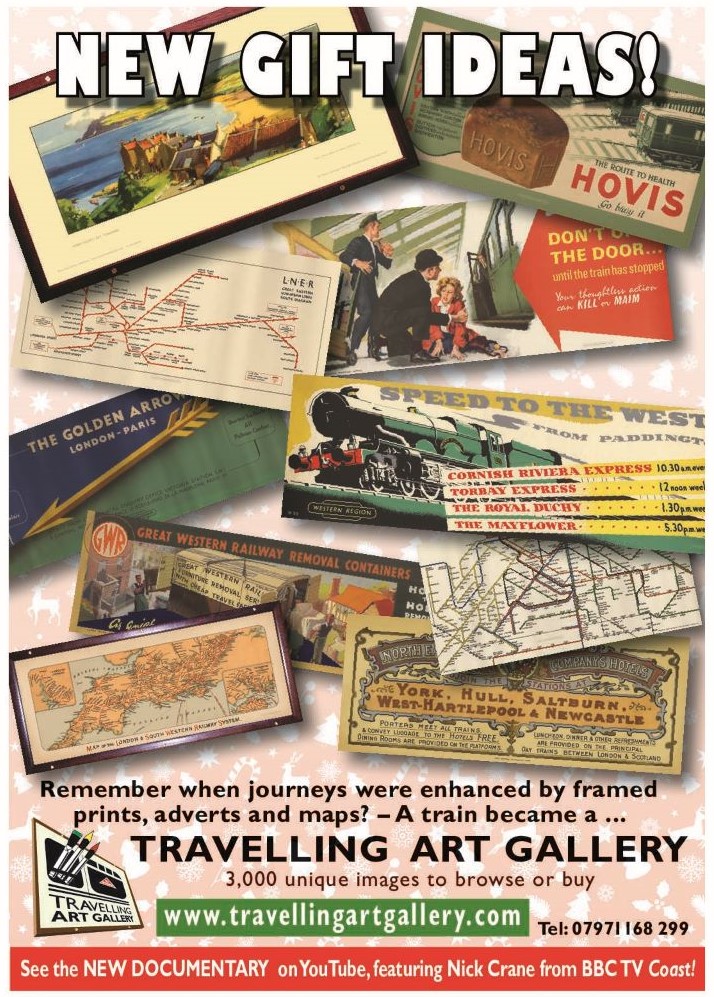
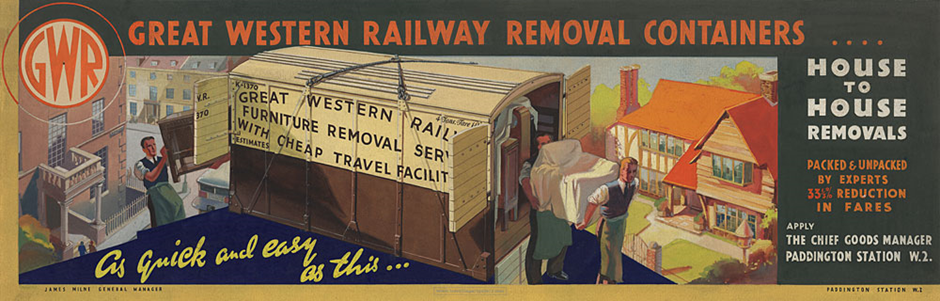
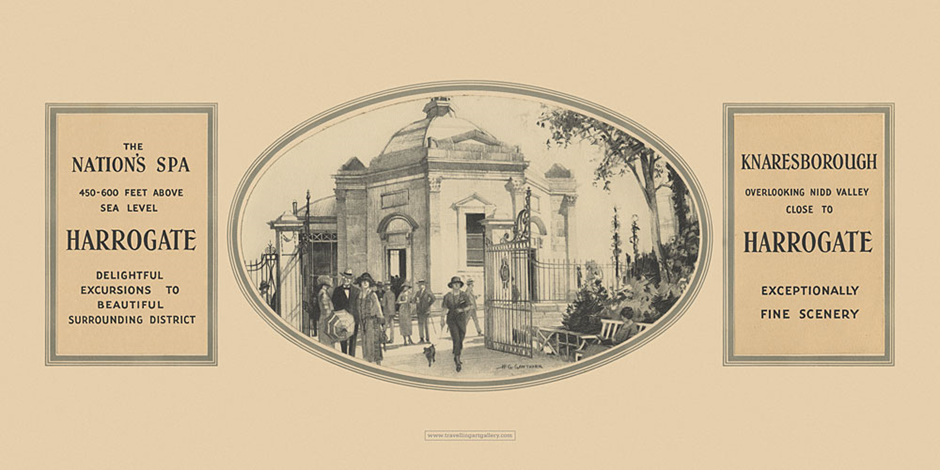
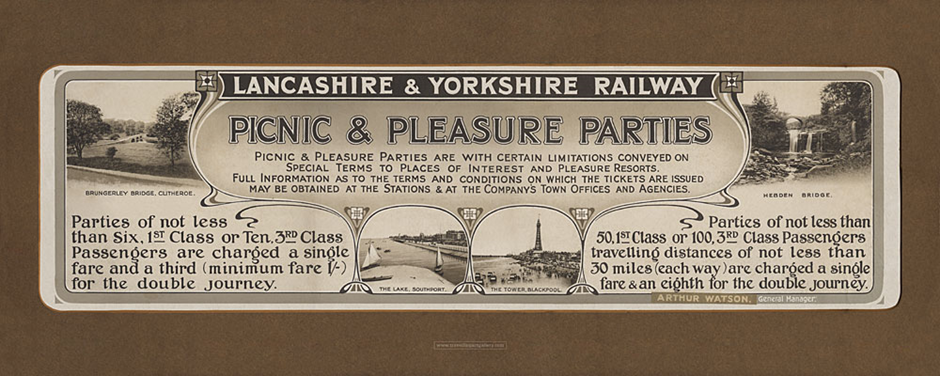
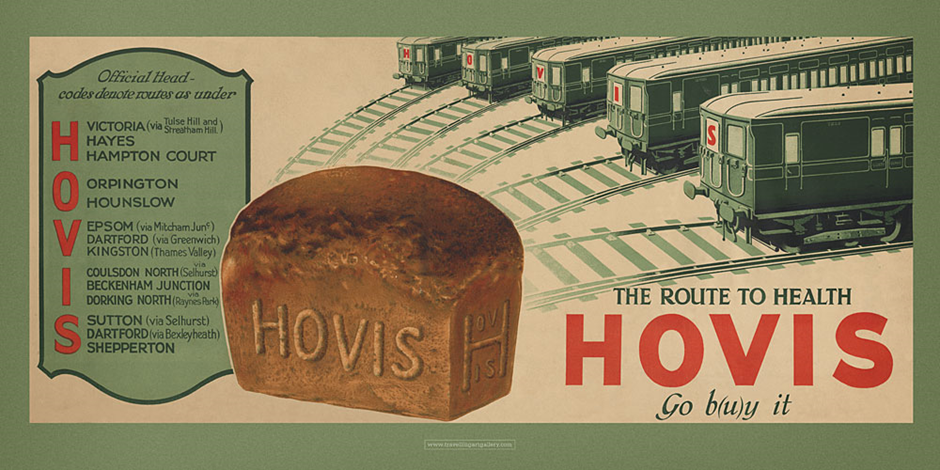
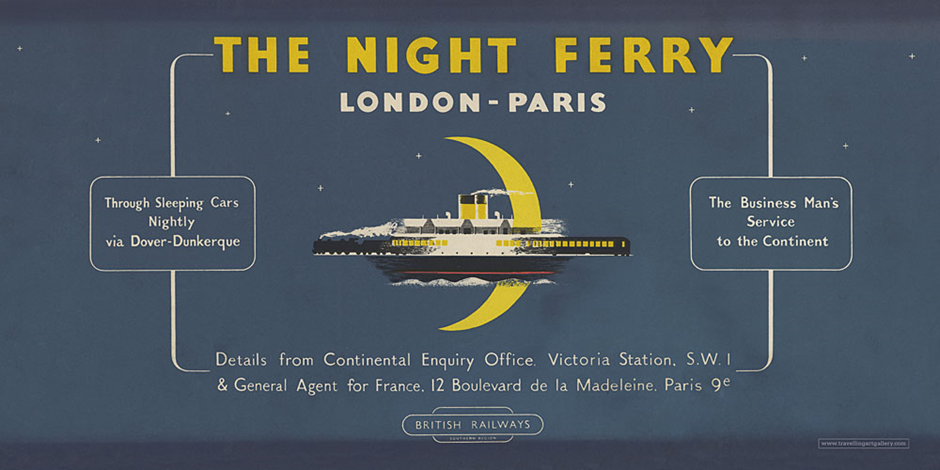
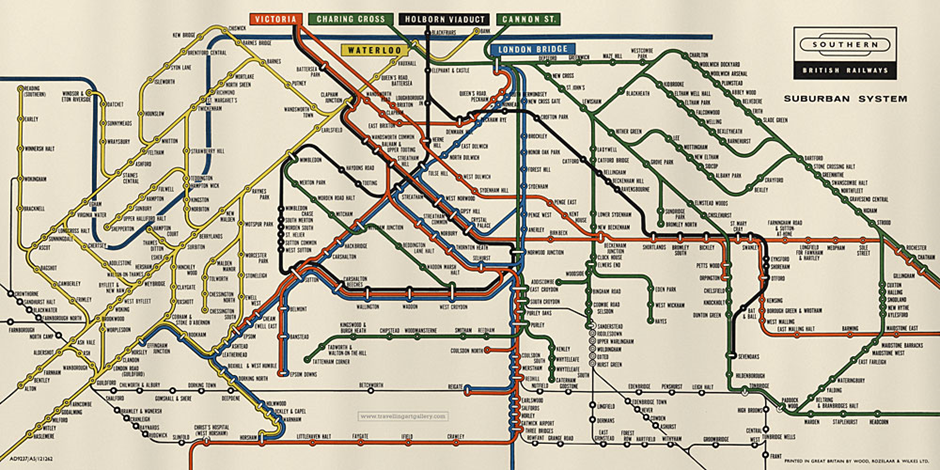
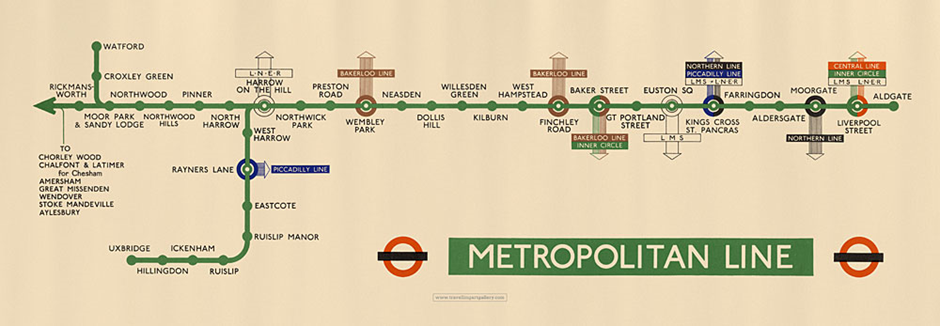
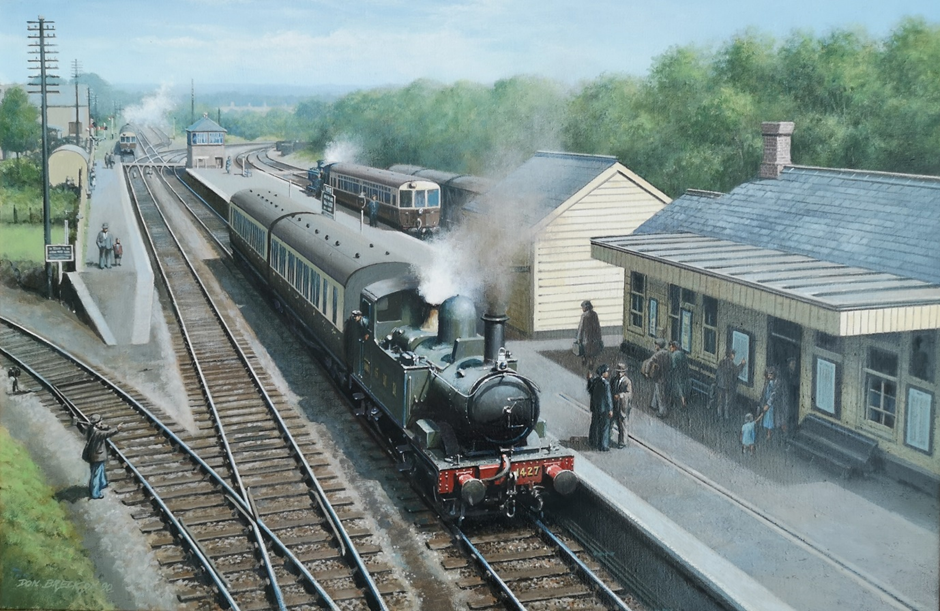
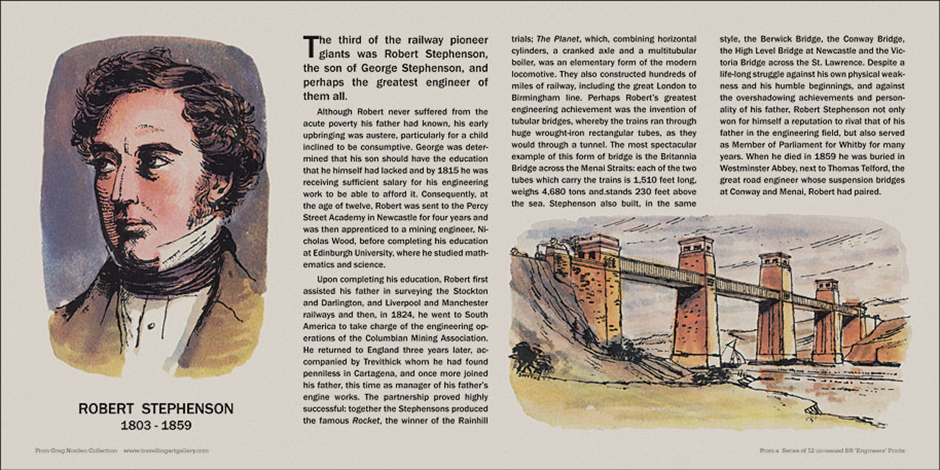
Good news on the two-year project to display many of my carriage maps, advertisements, notices and route diagrams on the Travelling Art Gallery website. They are now all visible online and the additional images and database appears to be working well! The panels date back to 1900 and give a fascinating view of the change in artwork, design and fashion over the years as companies sought to portray their services, routes and marketing skills as well as providing a means to obtain income from their advertising channels. I’ve made sure the images are easily identifiable as reproductions and Boris the spider is hiding in each one, too. I shall seek to give more detail on some of the advertising panels in later articles: the LNER pencil sketch series of adverts or Roland Emett’s Eastern Region notices would be obvious choices. The project has been a labour of love with little or no financial benefit but at least will preserve an interesting area of railway and art history for all and especially for the railway preservation movement. Some samples below..
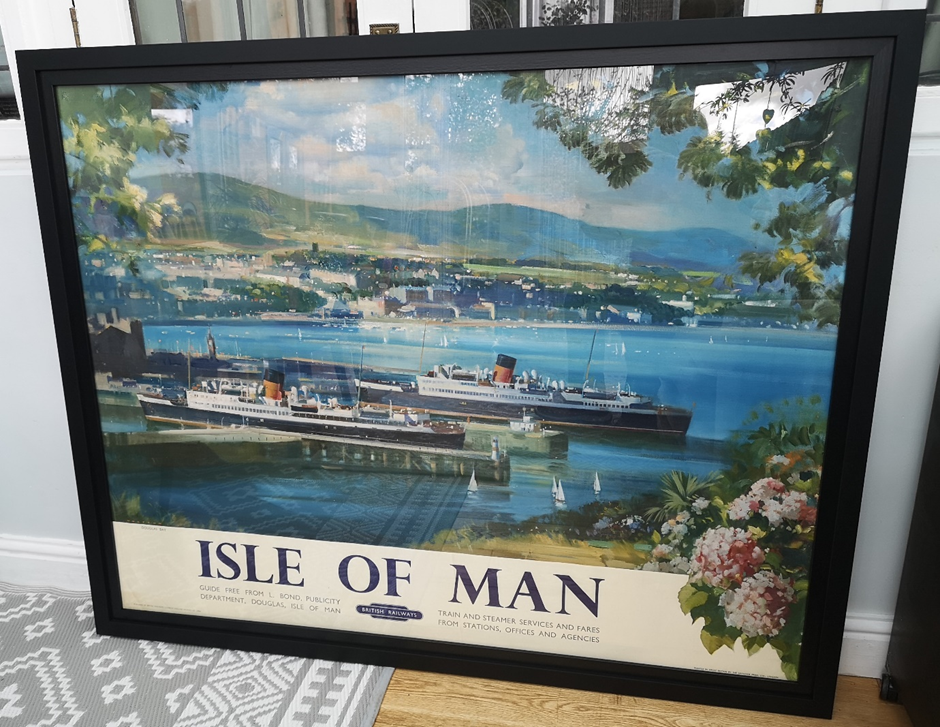
RAILWAY POSTER ARTWORKS
Following on from Richard Furness’s very interesting article on posters in the last Railway Collectors Guide, where he featured the BR poster of Cumberland by Honisett – I’ve got the original artwork here (gouache on board) and found it most interesting to see the finished poster compared to the painting. With certain of the carriage print and poster artworks, it is obvious that the printers sometimes ‘beefed up’ areas of blue skies or sea to appear more sunny or alluring. I suspect it was this approach rather than the change in colour being caused by the printing process itself.

I get quite a few enquiries about artists and artworks and, whilst time consuming, it’s rewarding researching them and often surprising what information is available out there – particularly on the internet. One recent enquiry I received with the cutting below…
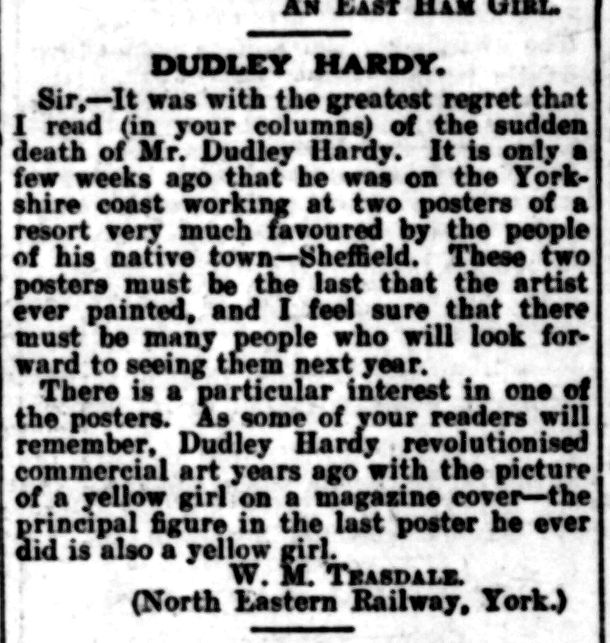
“I came across the above cutting while I was researching the artist, Dudley Hardy, and thought you might find it interesting – particularly the reference to the last railway posters he worked on before his death. I cannot relate it to a particular poster or posters – if you can please let me know?”
After researching, I replied…
“It looks to me as if Dudley Hardy only produced the one poster for the LNER – of fishermen in Bridlington in 1922, although it sounds as if he was working on another one for them at the same time when he died. It was interesting to see William Teasdale mentioned – he was a pioneering figure in railway poster commissioning when head of the LNER PR&PO at York and responsible for the work of Frank Mason, Tom Purvis, Fred Taylor etc.
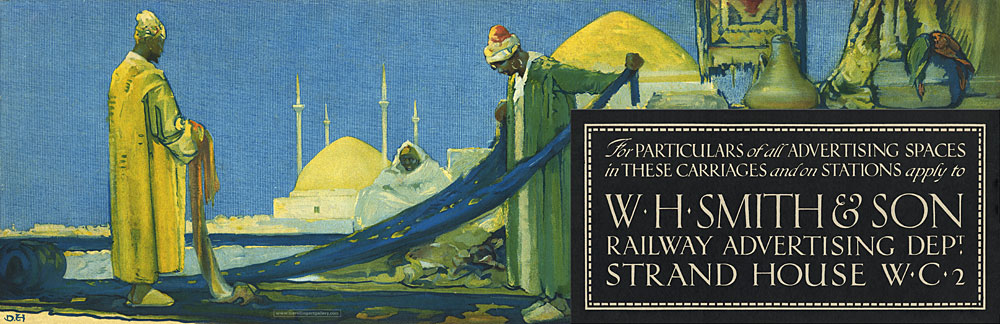
“Hardy was a well sought after, commercial artist and produced many posters for commerce and theatre – often with ladies with full dresses of the period – for D’Oyly Carte and many stage shows. When I was looking at his history, I saw the depictions of Arab men which he often included in his artwork. I recognised the style and it jerked my memory of a Metropolitan Railway carriage advertisement I have for W H Smith which features (for some unusual and unknown reason) an Arab man in the advert. I dug the panel out of my collection and saw the artist’s initials ‘D H’ in the advert – I always wondered who ‘D H’ was – now I know! Hardy died in 1922, so I guess the Metropolitan Railway/ WHS issued this around the time of his death.”
CARRIAGE PRINT MARKET
When fewer carriage prints are listed in railwayana auction catalogues it is noticeable how the prices are much higher – nowhere near the levels of 5 or more years ago, but acceptable in the current financial climate. However, we’ve seen one or two sales recently including GCRA’s Bloxham-style auction where a vast number of carriage prints have been included from a deceased estate. Not surprisingly, the prices were very low, but still managed to sell.
Ebay tends to be mentioned in articles on railwayana hardware but does also provide an extra marketplace for carriage prints and paperwork. Of course, there are sellers on Ebay who have no idea of what items are worth. There are also one or two dealers who know full well what an item is worth and then add 500% to the starting price! Not surprisingly they struggle to sell their items and rely on the odd buyer with little knowledge of the railwayana market.
Although Ebay is definitely at the lower end of the marketplace, as a general rule, reasonably priced items will often sell for higher prices than those put in Thirsk or GNRA auctions as there is obviously a far wider potential buying clientele on Ebay – including those who are often looking for aesthetically pleasing items rather than railway relics.
FINAL THOUGHT FOR THE DAY
I’ve just returned from the funeral of my good old former boss at Paddington, Western Region HQ, George Rutter. He was from a long line of railwaymen, lived and breathed railways and as I listened to his eulogy in chapel, he obviously still found time for family activities. He was often at auctions when these were social events as well as opportunities for collecting or for business and later became a good friend. How he put up with me indulging myself drawing track diagrams of the Western Region instead of completely concentrating on my designated job of planning block freight train schedules, I’ll never know!
George’s passing came shortly after my mum’s funeral several weeks ago. It’s a cliché I know, but the knowledge that I won’t be taking my collection with me when I’m gone is a sobering, yet potentially positive and constructive thought when considering collecting and the afterlife. One of the best non-railway posters I saw was outside a church. It had a road sign with a yellow criss-cross grid and a coffin, warning “Do not enter the box unless you are sure your exit is clear…”
I will leave you with the following wise saying, having just finished a lengthy probate application,– “where there’s a will – there are relatives…”
Kind regards to all readers.
Greg Norden
http://www.travellingartgallery.com

 The Travelling Art Gallery Blog